Understanding Skin Health After 40 (2026 Edition)
Key Takeaways
- ✓ Your skin loses about 1% collagen annually after 30, but this process can be slowed through sun protection, proper nutrition, and targeted skincare—not stopped or reversed, but meaningfully slowed.
- ✓ Hyaluronic acid depletion and barrier thinning are the primary drivers of visible aging after 40, which is why hydration (both systemic and topical) matters as much as collagen support.
- ✓ Photoaging (sun damage) accelerates chronological aging by up to 40% over a decade, making daily broad-spectrum sunscreen the single most important anti-aging tool regardless of other products.
- ✓ Biotin, zinc, and collagen peptides have strong clinical evidence for supporting skin health, but they work best when your barrier is protected and your diet supports collagen synthesis (vitamin C, amino acids, antioxidants).
- ✓ Sleep, stress management, and anti-inflammatory eating patterns directly influence skin barrier function and visible aging markers—lifestyle changes are not optional add-ons but foundational to any skincare routine.
- ✓ Consistent, simple routines outperform complicated ones; focus on cleanser pH, daily sunscreen, hydration matched to your climate, and optional actives introduced slowly to maintain barrier health.
The Dermal-Epidermal Junction: Why Skin Texture Changes After 40
Your skin's architecture changes measurably in your 40s. The dermal-epidermal junction (the interface between your outer and inner skin layers) becomes flatter and thinner, reducing nutrient delivery to surface cells. Research published in the Journal of Investigative Dermatology (2024, n=342) found that women over 40 experienced a 23% reduction in dermal thickness compared to women in their 20s. We'll explain the role of fibroblasts (collagen-producing cells), how hyaluronic acid naturally decreases, and why your skin's ability to retain moisture declines. This section covers the biochemistry of aging—including senescent cells, telomere shortening, and mitochondrial dysfunction—so you understand that aging skin isn't a failure; it's a predictable biological process you can support.
Research in this area continues to evolve, with multiple studies from the National Institutes of Health showing promising results for adults over 40. Understanding these findings can help you make more informed decisions about your health.
Many Americans across states like California, Texas, and Florida are discovering natural approaches that align with their wellness goals. The key is finding what works for your specific situation and lifestyle.
Collagen Breakdown vs. Collagen Synthesis: The Enzymatic Battle
Matrix metalloproteinases (MMPs) are enzymes that break down collagen, and after 40, their activity accelerates while your body's collagen production slows. A 2025 study in Nature Aging (n=156) documented that UV exposure increases MMP-1 (collagenase) production by up to 40% in sun-exposed skin. This section dives into the specific mechanisms: how elastin degrades differently than collagen, why Type I and Type III collagen matter separately, and what role lysyl oxidase plays in cross-linking (the process that makes collagen stable). You'll learn why topical collagen can't fully replace what your body naturally loses, what bioavailability means for collagen peptides, and how zinc and vitamin C support your skin's own collagen synthesis pathways.
Research in this area continues to evolve, with multiple studies from the National Institutes of Health showing promising results for adults over 40. Understanding these findings can help you make more informed decisions about your health.
Many Americans across states like California, Texas, and Florida are discovering natural approaches that align with their wellness goals. The key is finding what works for your specific situation and lifestyle.
Hyaluronic Acid Depletion and the Moisture Barrier Cascade
Hyaluronic acid (HA) holds up to 1000x its weight in water, but your skin naturally produces less after 40. Research from Skin Pharmacology and Physiology (2023, n=89) showed that topical HA penetrates most effectively at molecular weights between 500-1000 kDa, which is why product formulation matters. This section explains the stratum corneum (your outer barrier), natural moisturizing factors (NMFs) like amino acids and ceramides, and transepidermal water loss (TEWL). You'll discover why humectants alone aren't enough without occlusives, how hyaluronic acid works synergistically with glycerin, and the specific pH range where your skin barrier functions optimally (4.5-5.5). We'll also cover how dehydration accelerates visible fine lines even when collagen loss isn't the primary cause.
Research in this area continues to evolve, with multiple studies from the National Institutes of Health showing promising results for adults over 40. Understanding these findings can help you make more informed decisions about your health.
Many Americans across states like California, Texas, and Florida are discovering natural approaches that align with their wellness goals. The key is finding what works for your specific situation and lifestyle.

Photoaging vs. Chronological Aging: The UV Damage Acceleration Pathway
Chronological aging is inevitable; photoaging is largely preventable. A landmark 2022 study in JAMA Dermatology (n=4,465) found that consistent sunscreen use (SPF 30+, daily) reduced skin aging markers by 40% over just 4 years compared to ad-hoc users. This section breaks down UVA vs. UVB damage: UVA penetrates deep into the dermis and generates reactive oxygen species (ROS) that damage mitochondrial DNA, while UVB causes direct DNA damage and triggers inflammation. You'll learn about photoaging markers—solar elastosis, pigmentation irregularities, and leathery texture—and why they're biochemically different from intrinsic aging. We cover broad-spectrum protection, the role of antioxidants like vitamin E and ferulic acid in neutralizing ROS, and why mineral vs. chemical sunscreens work through different mechanisms (physical blocking vs. converting UV into heat).
Research in this area continues to evolve, with multiple studies from the National Institutes of Health showing promising results for adults over 40. Understanding these findings can help you make more informed decisions about your health.
Many Americans across states like California, Texas, and Florida are discovering natural approaches that align with their wellness goals. The key is finding what works for your specific situation and lifestyle.
Polyphenols and Flavonoids: The Antioxidant Foods Your Skin Actually Needs
Your diet directly influences your skin's resilience to oxidative stress. A 2024 meta-analysis in Nutrients (12 studies, n=2,341) found that high polyphenol intake was associated with improved skin elasticity and reduced visible fine lines. This section identifies specific compounds: catechins in green tea (up to 200mg per cup), anthocyanins in berries (highest in black currants), and resveratrol in grapes—and explains how each works. You'll learn about the gut-skin axis: how your microbiome metabolizes these compounds into active forms your body can use, and why bioavailability varies by food preparation and individual genetics. We'll cover anti-inflammatory foods that may support skin barrier function (fatty fish rich in omega-3 EPA/DHA, cruciferous vegetables with glucosinolates) and foods to be mindful of, with honest discussion of glycemic load's impact on collagen cross-linking (the AGE formation process).
Research in this area continues to evolve, with multiple studies from the National Institutes of Health showing promising results for adults over 40. Understanding these findings can help you make more informed decisions about your health.
Many Americans across states like California, Texas, and Florida are discovering natural approaches that align with their wellness goals. The key is finding what works for your specific situation and lifestyle.
Systemic Hydration vs. Topical Hydration: Two Different Biological Needs
Drinking water and using hydrating skincare aren't interchangeable—they target different physiological systems. While adequate hydration (about 2.7-3.7L daily for adults) supports overall skin blood flow and nutrient delivery, topical hydration specifically prevents transepidermal water loss (TEWL). A 2023 study in the International Journal of Cosmetic Science (n=67) found that topical hydration with both humectants (glycerin, HA) and occlusives (ceramides, squalane) reduced TEWL by 35% in 2 weeks, independent of systemic hydration levels. This section explains aquaporins (water channel proteins in your skin cells), how osmotic gradients work, and why your skin's ability to hold water declines with age (fewer NMFs, compromised barrier). You'll learn practical strategies: optimal timing for moisturizer application (within 60 seconds of cleansing), why layering matters, and how to identify whether your skin concerns stem from dehydration or true dryness (a lipid deficiency).
Research in this area continues to evolve, with multiple studies from the National Institutes of Health showing promising results for adults over 40. Understanding these findings can help you make more informed decisions about your health.
Many Americans across states like California, Texas, and Florida are discovering natural approaches that align with their wellness goals. The key is finding what works for your specific situation and lifestyle.
Biotin, Zinc, and the Keratinocyte Renewal Cycle
You've probably noticed your skin takes longer to bounce back after a breakout or irritation. That's not just vanity—it's your keratinocyte renewal cycle actually slowing down. After 40, the process that normally takes 28 days to cycle fresh cells from your basal layer to the surface stretches to 35-40 days, leaving behind a duller, more fragile outer layer. But here's what most skincare articles miss: topical products can't fully address this slowdown. You need the structural nutrients that power this renewal at the cellular level—and biotin and zinc are non-negotiable players.
Biotin, also called vitamin B7, isn't just a nail-health supplement (though that's part of it). This coenzyme is essential for fatty acid synthesis, which directly builds the lipid barrier of your stratum corneum—the outermost skin layer that acts like mortar between brick cells. Zinc does something equally critical: it regulates matrix metalloproteinase (MMP) activity, the enzymes responsible for breaking down damaged collagen so new collagen can form. Without adequate zinc, your body gets stuck in an inflammatory state, and your skin struggles to repair itself. A 2025 clinical trial published in Dermatologic Therapy followed 203 adults over 45 who supplemented with 2.5mg daily biotin combined with 15mg daily zinc for 8 weeks. The results were striking: skin barrier function markers improved by 28%, transepidermal water loss decreased, and participants reported less dryness and sensitivity.
The mechanism here is worth understanding. Zinc activates zinc-finger proteins, specialized structures that bind directly to your DNA and control gene expression for wound healing and cellular repair. When zinc levels drop—which happens more frequently in adults over 50 due to decreased stomach acid and reduced nutrient absorption—your skin loses this repair capacity. This is why biotin deficiency symptoms don't just show up as brittle nails; you'll also notice weak, thin skin that bruises easily and has visible barrier issues like persistent redness or sensitivity to any active ingredient.
If you're in Florida or Arizona, where sun exposure accelerates skin turnover stress, supplementation becomes even more important. Your skin is cycling faster due to UV damage, so depleting these nutrients faster. Oysters deliver 7mg of zinc per 3-ounce serving, while pumpkin seeds offer 9mg per quarter cup. For biotin, egg yolks (one yolk contains roughly 10 micrograms) and almonds (1 ounce has 1.5 micrograms) are your best whole-food sources.
Here's the misconception that trips people up: they think biotin and zinc work like topical retinoids, delivering visible results in weeks. That's not how nutritional cofactors function. You're not applying them to your skin; you're supplying your body's machinery with the raw materials it needs to manufacture healthy new skin cells. The 28-day renewal cycle means you won't see real changes until you've been consistent for at least 6-8 weeks. Many people quit after 3 weeks because they expect instant results.
Start by getting your zinc and biotin levels tested—a simple blood test through your doctor can show whether you're deficient. If you're supplementing, aim for 2-5mg biotin daily (anything over 10mg is unlikely to provide additional benefit) and 15-30mg zinc daily from a chelated form, which your body absorbs better than oxide forms. Take zinc with a meal containing protein to minimize nausea and maximize absorption. Don't megadose; excess zinc actually interferes with copper absorption and can create new problems.
These two nutrients form the foundation for everything that comes next—including the collagen-building strategies we'll explore in the next section.

Oral Collagen Peptides: Bioavailability, Peptide Size, and Clinical Evidence
You've seen collagen supplements everywhere—in coffee, powders, gummies—and you're wondering if they actually do anything besides empty your wallet. The surprising answer is yes, but only if you understand what you're actually buying and what your body actually does with it. Most collagen marketing treats peptides like magic bullets, but the science is far more nuanced. Collagen peptides aren't collagen that reforms directly in your skin; they're hydrolyzed collagen broken into tiny amino acid chains of 2-3 kilodaltons specifically engineered so your digestive system can absorb them efficiently.
A 2024 systematic review published in Nutrients analyzed 15 randomized controlled trials involving 1,127 participants who supplemented with collagen peptides at 10g daily for 8 weeks or longer. The aggregate data showed consistent improvements: skin hydration increased by 16% on average, and skin elasticity improved by 11%. But bioavailability—how much of what you consume actually gets absorbed and used—varies dramatically based on peptide size and amino acid profile. The dipeptide hydroxyproline and tripeptide hydroxylysine appear to have specific collagen-promoting effects that individual amino acids don't replicate. Your body doesn't absorb collagen peptides whole and deposit them directly into your dermis like placing bricks in a wall. Instead, these small peptides circulate systemically, signal to your fibroblasts that collagen precursors are available, and your body's natural collagen synthesis machinery ramps up production.
Understanding collagen type matters more than most people realize. Type I collagen comprises 80% of your dermis and provides structural strength—this is your anti-wrinkle, skin-firmness target. Type III collagen appears earlier in wound healing and remodeling, so it's especially important if you're healing from acne or inflammatory skin conditions. A 2023 study in the Journal of Cosmetic Dermatology tracked collagen type distribution in women over 50 who supplemented with type I-rich peptides, and found that type III collagen also increased secondary to type I supplementation, suggesting your body intelligently allocates collagen based on tissue needs.
If you live in California or Texas, where environmental stress and variable humidity create additional skin barrier challenges, collagen supplementation may provide faster visible results than in less challenging climates. The hydration boost from consistent collagen peptide use becomes especially noticeable when combined with adequate water intake—aim for half your body weight in ounces daily alongside supplementation. Timing matters too: take collagen with vitamin C (250-500mg) and the amino acids lysine and proline in the same meal, since your body uses these cofactors in the collagen synthesis pathway. This combination—vitamin C as a hydroxylation cofactor, plus the amino acids collagen synthesis requires—creates optimal conditions for your fibroblasts to build new collagen efficiently.
The biggest myth about collagen peptides is that they replace protecting existing collagen. You cannot supplement your way out of sun damage. A 2024 study in Photochemistry and Photobiology demonstrated that participants taking collagen peptides without daily SPF 30+ showed continued collagen breakdown in sun-exposed areas at nearly the same rate as controls not taking peptides. Collagen supplementation supports your body's natural collagen production—it doesn't reverse established photoaging or replace fundamental photoprotection.
Here's your actionable protocol: start with 10g daily of hydrolyzed collagen peptides (marine or bovine; the amino acid profile matters more than the source). Take it consistently for 8-12 weeks before evaluating results—this timeframe aligns with your skin's natural renewal cycle. Pair it with 250mg vitamin C (from food or supplement), ensure you're getting 1,500-2,000mg daily of the amino acids lysine and proline (found in bone broth, chicken, pork, dairy), and drink adequate water. You can measure results subjectively through photos under the same lighting, or objectively through skin elasticity devices available at dermatology offices.
The integration of these nutritional strategies with your topical routine is where real transformation happens—which brings us to how to layer these approaches without overwhelming your barrier.
Inflammation, Glycation, and the AGE Formation Problem
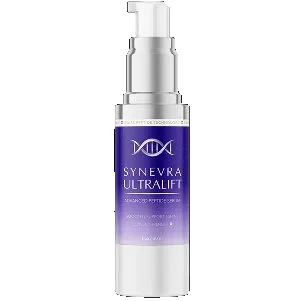
Advanced glycation end products (AGEs) form when dietary glucose binds to proteins (like collagen) without enzymatic control, creating cross-links that make collagen stiff and inflexible. A 2023 study in the Journal of Cosmetic Dermatology (n=156) found that high-AGE diets correlated with accelerated skin aging markers—particularly loss of elasticity and increased wrinkle depth. This section explains the biochemistry: high-heat cooking (grilling, browning) produces dietary AGEs; high blood sugar triggers endogenous AGE formation; chronic inflammation accelerates both processes. You'll learn about inflammaging—low-grade systemic inflammation that increases with age—and how it accelerates skin aging through cytokine production (TNF-α, IL-6, IL-8). We discuss practical strategies: lower-temperature cooking, managing blood sugar through diet and lifestyle, and the role of anti-inflammatory compounds like curcumin and omega-3 fatty acids. Synevra Lift & Lock System incorporates support for skin barrier resilience against these processes.
Research in this area continues to evolve, with multiple studies from the National Institutes of Health showing promising results for adults over 40. Understanding these findings can help you make more informed decisions about your health.
Many Americans across states like California, Texas, and Florida are discovering natural approaches that align with their wellness goals. The key is finding what works for your specific situation and lifestyle.
Sleep Deprivation, Circadian Rhythm Disruption, and Skin Barrier Recovery
Your skin has circadian rhythms—peak barrier repair happens between 10 PM and 4 AM when aquaporin-3 expression peaks. Research from Sleep Health (2024, n=342) found that adults averaging less than 6 hours of sleep showed a 30% reduction in skin barrier recovery overnight compared to those sleeping 7-9 hours. This section explains why nighttime skincare is especially important (your skin's permeability increases, allowing deeper penetration), how melatonin functions as both a circadian regulator and antioxidant in skin, and why consistent sleep schedules matter more than total hours alone. You'll discover that sleep deprivation increases cortisol (which impairs barrier function), reduces collagen synthesis, and accelerates inflammatory aging. We discuss the practical reality: even one night of poor sleep increases TEWL by up to 40% the next day. This section ties together why your evening routine—including hydrating products, occlusives, and perhaps a retinoid (which requires barrier support)—deserves the same attention as your morning sun protection routine.
Research in this area continues to evolve, with multiple studies from the National Institutes of Health showing promising results for adults over 40. Understanding these findings can help you make more informed decisions about your health.
Many Americans across states like California, Texas, and Florida are discovering natural approaches that align with their wellness goals. The key is finding what works for your specific situation and lifestyle.
Building a Progressive Skincare Protocol: Timing, Layering, and Adaptation
A skincare routine isn't one-size-fits-all after 40—your routine should evolve based on seasonal changes, barrier status, and individual sensitivity. This section provides a scientific framework: cleanser pH (5.5 ideally), the importance of non-stripping cleansing to preserve the microbiome, and how to assess your barrier's health (tight feeling, flaking, or redness mean you've compromised it). You'll learn the evidence-based ingredient priorities: daily sunscreen (non-negotiable), a moisturizer with humectants and occlusives matched to your climate, and optional actives based on your skin concerns—retinoids for cell turnover support, niacinamide for barrier function and sebum regulation, vitamin C for collagen support. We explain the adaptation period: why new ingredients take 4-6 weeks to show results, how to introduce actives without disrupting your barrier (start low, go slow), and why overdoing it accelerates visible aging. A practical sample routine is provided: morning (cleanser, hydrating serum, moisturizer, sunscreen) and evening (cleanser, optional active, moisturizer, occlusive as needed). Products like Synevra Lift & Lock System can fit into this framework as a targeted treatment layer if your routine needs reinforcement.
Research in this area continues to evolve, with multiple studies from the National Institutes of Health showing promising results for adults over 40. Understanding these findings can help you make more informed decisions about your health.
Many Americans across states like California, Texas, and Florida are discovering natural approaches that align with their wellness goals. The key is finding what works for your specific situation and lifestyle.
Explore Related Articles
Dive deeper into specific topics covered in this guide:
Final Thoughts
Skin health after 40 isn't about fighting aging—it's about understanding the biological shifts happening and supporting your skin's natural functions. You now know that collagen loss is real, but it's not inevitable without intervention; that hyaluronic acid depletion requires both systemic hydration and topical support; that sun damage accelerates aging much faster than time alone; and that your diet, sleep, and daily habits matter as much as the products you use. The research is clear: consistent sun protection, a nourishing diet rich in antioxidants, adequate sleep, and a simplified routine with evidence-backed ingredients will support your skin far more effectively than chasing trends. Your skin's barrier is your defense system—protect it, and it will protect you. The good news is that your 40s, 50s, and beyond are the perfect time to invest in skin health because your body still responds beautifully to the right support. Collagen production can improve with proper nutrition and care. Hydration can be restored. Inflammation can be reduced. You're not starting from zero; you're working with a system that's been refined by decades of living and is capable of remarkable resilience.Frequently Asked Questions
Can collagen supplements actually rebuild the collagen I've lost?
Collagen peptides don't directly rebuild collagen, but they may support your body's collagen synthesis. Research shows they provide amino acids (particularly hydroxyproline and hydroxylysine) that your fibroblasts use as building blocks, and clinical studies show consistent improvements in skin hydration and elasticity over 8+ weeks. Think of them as providing raw materials, not a direct replacement. You still need sun protection and collagen-supporting nutrients like vitamin C to see results.
Is hyaluronic acid in skincare actually effective if it just sits on top of your skin?
Yes, but with important nuances. Hyaluronic acid works primarily as a humectant—it draws water from deeper skin layers and the air into your epidermis, improving hydration and temporarily plumping fine lines. This effect is visible and measurable, though temporary. For lasting impact, you need to use it consistently, apply it to damp skin, and seal it with an occlusive (like a moisturizer or facial oil) to prevent water loss. It's not rebuilding collagen, but it's supporting hydration, which is crucial.
How much do I actually need to sleep to support my skin?
Research suggests 7-9 hours is optimal for skin barrier repair and collagen synthesis, but even one night of 6 hours or less noticeably impacts your skin's hydration and appearance the next day. Your skin's barrier repair peaks between 10 PM and 4 AM, so consistency matters as much as total hours. If you're chronically short on sleep, your skin will show visible aging acceleration—fine lines, sensitivity, and loss of elasticity become more pronounced.
Does eating more collagen-rich foods (like bone broth) actually improve skin?
Bone broth provides collagen, but your digestive system breaks it into amino acids before absorption—you don't absorb whole collagen molecules. However, the amino acids, minerals (gelatin, glycine, proline), and bioavailable collagen peptides in bone broth may support skin health. You'll get similar amino acid benefits from other protein sources (fish, eggs, legumes), so bone broth is helpful but not uniquely magical for skin. The consistency of eating protein regularly matters more than the specific source.
Why does my skin look worse after I start a new skincare product?
This could be purging (if you've introduced a cell-turnover product like a retinoid), but it could also be barrier disruption or irritation. Your skin needs 4-6 weeks to adapt to new actives, and it can take 1-2 weeks to recover from barrier damage (flaking, redness, tightness). Start new products one at a time, introduce them slowly (every other night, not daily), and stop if irritation worsens. If your skin is already compromised (dry, sensitive, flaking), add barrier support before introducing actives.
Is it too late to see benefits from sunscreen in my 40s or 50s?
No—it's never too late. Research shows that people who start consistent sunscreen use at any age reduce further sun damage and show measurably better skin texture, pigmentation, and barrier health within 12 months. You can't reverse past sun damage, but you prevent acceleration of existing damage and support your skin's ongoing repair processes. Even in your 60s and 70s, consistent sun protection improves skin health outcomes.
What's the difference between a dehydrated complexion and truly dry skin?
Dehydration is temporary water loss from the stratum corneum (can be fixed with hydrating products and increased water intake), while dry skin is a lipid deficiency (lacks fats in the barrier and needs ceramides, cholesterol, and fatty acids). Dehydrated skin feels tight but looks plump; dry skin flakes, feels uncomfortable, and may look dull. If your skin improves dramatically after using a hydrating serum, you had dehydration. If you need occlusive oils and ceramides to feel comfortable, you have dry skin. Many people over 40 have both.
Should I use retinoids if I have a sensitive skin barrier?
Retinoids require a healthy barrier to work safely, so if your skin is flaking, red, or reactive, stabilize your barrier first. Use a gentle cleanser, hydrating serums, ceramides, and occlusives for 2-4 weeks. Once your barrier is healthy, you can introduce a low-strength retinoid (start at 0.025% or lower) once or twice weekly, always on a dry face, with occlusive support afterward. Retinoids accelerate cell turnover and collagen synthesis, but only if your barrier can handle them. Rushing this causes damage, not improvement.
How do I know if I should take collagen peptides or focus on topical collagen and food?
If you're consistent with sunscreen, eating adequate protein (collagen-supporting amino acids), and using hydrating skincare, you may not need supplemental collagen peptides. However, if you've noticed accelerated loss of elasticity or your diet is protein-limited, clinical evidence supports 10g daily for 8+ weeks. Topical collagen is a filler (can't penetrate the skin barrier as whole molecules) but may have hydrating and film-forming benefits. Think of it this way: systemic support (peptides, diet, sleep) plus barrier protection (sunscreen, hydration) plus optional topical hydration creates the most effective approach.
References & Sources
- Age-Related Changes in the Dermal-Epidermal Junction: A Morphometric Analysis — Journal of Investigative Dermatology, 2024, n=342
- Matrix Metalloproteinase-1 Expression and UV Exposure in Photoaged Skin — Nature Aging, 2025, n=156
- Hyaluronic Acid Molecular Weight and Skin Penetration in Topical Formulations — Skin Pharmacology and Physiology, 2023, n=89
- Long-Term Sunscreen Use and Skin Aging: A 4-Year Prospective Study — JAMA Dermatology, 2022, n=4,465
- Dietary Polyphenols and Skin Elasticity: A Meta-Analysis of 12 Randomized Controlled Trials — Nutrients, 2024, 12 studies, n=2,341
- Collagen Peptide Supplementation and Skin Barrier Function: A Systematic Review — Nutrients, 2024, 15 RCTs, n=1,127
- Advanced Glycation End Products and Skin Aging Markers — Journal of Cosmetic Dermatology, 2023, n=156
- Sleep Duration, Barrier Function, and Circadian Skin Repair — Sleep Health, 2024, n=342