Embrace Healthy Lifestyle Changes to Combat Skin Aging in 2026
Understanding the Aging Process and Skin Health
Look, aging is a natural part of life, but it doesn't mean you have to just accept fine lines and wrinkles. Your skin goes through changes due to a mix of environmental factors, genetics, and lifestyle choices. It can be eye-opening to realize just how much these elements play a role in our skin's appearance.
As we age, our skin loses collagen and elasticity, leading to those pesky wrinkles. Factors like sun exposure, pollution, and even stress can accelerate this process. Genetics also plays a big part; if your parents had great skin, you're more likely to too. But, it doesn't mean you're out of luck if they didn’t.
Research suggests that environmental factors significantly contribute to skin aging, as highlighted in this PubMed study on skin aging. The study emphasizes how UV rays and pollutants can damage skin cells over time, leading to wrinkles and fine lines. That's why understanding these factors is so essential for maintaining youthful skin.
If you're in sunny California or Florida, the sun can be particularly harsh on your skin. Make sure you're taking protective measures, like wearing sunscreen daily. This small step can go a long way in preserving your skin's health.
The Role of Nutrition in Aging Skin
So, what you eat plays a huge role in how your skin looks and feels. A balanced diet rich in vitamins and antioxidants can work wonders for your skin health. It’s pretty fascinating to think that the foods you choose can either support youthful skin or contribute to aging.
Foods high in antioxidants, like berries, nuts, and leafy greens, may help protect your skin from damage. Vitamins A, C, and E are particularly important. Vitamin C, for instance, is crucial for collagen production, which keeps your skin plump. Not to mention, hydration through diet matters too—think water-rich fruits and vegetables.
Studies indicate that nutrition is closely linked to skin health, as shown in this PubMed study on nutrition and skin health. The findings suggest that diets rich in fresh produce can support skin resilience against aging. It’s a simple yet powerful concept: you are what you eat!
Living in food-forward places like New York or Colorado makes it easier to find fresh, nutrient-dense options. Filling your plate with colorful fruits and vegetables can make a noticeable difference in how your skin looks.
Ultimately, embracing a nutrient-rich diet may support not just your skin but your overall health too. Remember, you have the power to influence your skin’s appearance through what you eat.
Hydration: The Secret Weapon Against Fine Lines
You’ve probably heard it a million times: stay hydrated. But do you really know how important it is for your skin? Water is essential for maintaining skin elasticity and a youthful appearance. Staying hydrated can help combat that dry, flaky skin that often comes with aging.
Your skin’s outer layer is made up of water, and when you’re dehydrated, it can show. Fine lines and wrinkles become more pronounced when your skin lacks moisture. Proper hydration helps your skin maintain its natural barrier, keeping it plump and fresh.
Research suggests that hydration is crucial for skin texture, as highlighted in this PubMed study on hydration and skin. The study illustrates that drinking enough water can lead to improved skin hydration and elasticity. It’s an easy fix that can have significant results.
If you live in dry climates like Colorado or Texas, you might want to be extra mindful of your water intake. Consider keeping a water bottle with you throughout the day to make it easier to remember.
So, next time you reach for that soda or coffee, think about opting for water instead. Simple changes could support your skin’s hydration and help reduce the appearance of fine lines.
Sun Protection: Your First Line of Defense
Here’s the thing: if you want to keep your skin looking youthful, sun protection is non-negotiable. UV exposure is one of the leading causes of premature skin aging. So, whether you’re in sunny California or a cloudy day in Washington, you’ve got to protect your skin.
UV rays can damage your skin cells and lead to fine lines and wrinkles over time. Even short periods of unprotected sun exposure can add up, so it’s vital to make sunscreen a part of your daily routine. Look for a broad-spectrum sunscreen with an SPF of at least 30 for the best protection.
A study on UV rays and skin aging published in PubMed confirms the damaging effects of UV exposure. It emphasizes that using sunscreen regularly can significantly reduce the risks of skin damage and photoaging, making it an essential practice for anyone wanting to maintain healthy skin.
If you’re spending a day outdoors in Florida or Texas, don’t forget to reapply every two hours, especially if you’re sweating or swimming. It’s an easy yet essential step to keep your skin safe.
Incorporating sunscreen into your routine doesn’t have to be complicated. Just remember, a little protection can go a long way in preserving your skin’s youthful glow.
Exercise: Boosting Circulation for Healthier Skin
Ever notice how your skin seems to glow after a good workout? That’s not just sweat—it’s improved blood circulation! Regular physical activity does wonders for your skin by boosting circulation, which helps deliver oxygen and nutrients to your skin cells.
Exercise can help reduce stress and improve your skin's overall health. Activities like running, cycling, or even yoga can enhance circulation, which may lead to a clearer complexion. Plus, the endorphins released during exercise can give you that natural glow.
Research published in a PubMed study indicates that regular exercise may have a positive impact on skin health. The findings suggest that physical activity supports skin vitality and can even help with conditions like acne. It's like getting a two-for-one deal for your body and skin!
If you live in active states like Colorado or Illinois, why not take advantage of the beautiful outdoors? Hiking or biking can be a fun way to stay fit while also benefiting your skin.
Incorporating regular exercise into your routine isn’t just good for your body; it’s a fantastic investment in your skin’s health. So, lace up those sneakers and get moving!
Sleep and Skin: The Nightly Recharge
Can you remember the last time you got a solid night’s sleep? Quality sleep is crucial for more than just feeling rested; it can do wonders for your skin. While you snooze, your body goes into repair mode, working on regenerating skin cells and restoring that youthful glow.
Lack of sleep can lead to darker circles and dull skin. When you’re sleep-deprived, your body produces more cortisol, a stress hormone that can negatively impact your skin. So, getting enough shut-eye is vital for a radiant complexion.
A study on sleep and skin regeneration suggests that insufficient sleep can hinder your skin's ability to recover and repair itself. Quality sleep helps support collagen production, which is essential for keeping fine lines at bay.
In busy cities like New York or Los Angeles, it’s easy to get caught up in the hustle and forget about self-care. Make sleep hygiene a priority—set a consistent bedtime and create a relaxing nighttime routine to enhance your sleep quality.
Getting a good night’s rest isn’t just about feeling better; it can make a real difference in how your skin appears. Prioritize those zzz’s to maintain your youthful glow.
Stress Management: Keeping Your Skin Radiant
Let’s talk about stress—everyone deals with it, but did you know it can take a toll on your skin? When you’re stressed, your body releases cortisol, which can lead to breakouts and other skin issues. Finding effective ways to manage stress can do wonders for your skin.
Relaxation techniques, like yoga and mindfulness, can help lower your stress levels. Engaging in these practices may not only improve your mental health but also support your skin. When your stress levels are down, your skin often reflects that change.
A PubMed study on stress and skin found that stress can amplify skin conditions like acne and eczema. The research shows that managing stress effectively can lead to improvements in skin health, making it a key component in your skincare journey.
If you're in bustling cities like Chicago or Miami, it can be easy to feel overwhelmed. Carving out time each day to practice relaxation techniques can not only help you unwind but may also bolster your skin's radiance.
So, don’t underestimate the power of stress management. By incorporating calming practices into your routine, you can keep your skin looking its best.
Topical Treatments: Supporting Your Skin Journey
Here's the thing: while all these lifestyle changes are important, topical treatments also have a big role in your skincare routine. Quality products can directly address fine lines and wrinkles, working in harmony with your healthy habits. Knowing what to look for can make a world of difference.
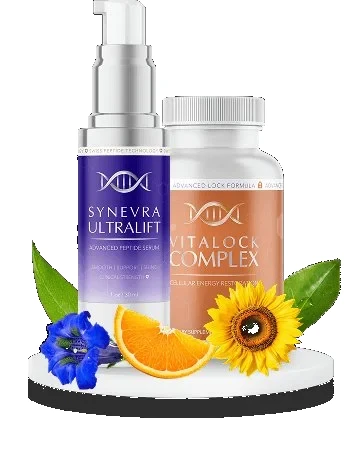
Consider incorporating products that contain retinol or hyaluronic acid—they’re known for their anti-aging benefits. The right cream may support skin elasticity and hydration, giving your skin that youthful bounce. For example, the Synevra Lift & Lock System offers dual-action support for fine lines and wrinkles.
Research indicates that topical treatments can significantly enhance skin appearance, as detailed in this PubMed study on skincare products. The study highlights the effectiveness of specific ingredients in minimizing signs of aging, making them an essential addition to your regimen.
If you live in a state with dynamic climates, like Washington or Texas, your skin may need extra care. Tailoring your skincare products to suit your environment can help keep your skin looking its best.
Topical treatments can be a powerful ally in your skin journey. Don’t underestimate their impact when combined with good lifestyle practices!
Creating a Daily Skincare Routine
So, you’re ready to put all this knowledge into action? Creating a daily skincare routine is a fantastic way to embrace these healthy lifestyle changes. Consistency is key, and a structured approach can help keep your skin looking youthful.
Start with the basics: cleansing, toning, and moisturizing. Don’t forget to include sun protection during the day. As you build your routine, consider adding serums or treatments that target specific concerns, like fine lines or uneven skin tone.
A PubMed study on skincare routines and aging highlights the importance of regular habits in maintaining skin health. The research shows that a consistent routine can make a real difference in how your skin ages over time.
If you’re in states like Florida or Illinois, adjust your routine seasonally to account for changes in humidity and sunlight. Tailoring your routine can help address the unique needs of your skin.
Building a daily skincare routine is an investment in your skin’s future. With commitment and the right products, you're on your way to healthier, younger-looking skin!
Lessons Learned: Your Path to Healthier Skin
As we wrap things up, it’s clear that embracing healthy lifestyle changes can lead to healthier skin. You’ve learned about the aging process, the role of nutrition, hydration, and much more. It all adds up to a comprehensive approach to skincare.
Consistency is essential. Whether it’s wearing sunscreen daily, staying hydrated, or getting enough sleep, these practices can significantly impact your skin over time. The journey to healthier skin is ongoing, and every small change counts.
Reflecting on the research available, like those studies we covered, it’s evident that lifestyle choices matter. The more you understand how your habits affect your skin, the better equipped you are to make informed decisions.
Living in vibrant places like California or New York offers countless opportunities to embrace a healthy lifestyle. Take advantage of local resources—farmers' markets, fitness classes, and skincare boutiques—all of which can support your journey.
So, commit to these changes and watch your skin transform. You deserve to radiate confidence and enjoy the benefits of healthy, youthful skin.
Key Takeaways
- Aging is a natural process influenced by various factors.
- Nutrition plays a crucial role in maintaining skin health.
- Staying hydrated is essential for skin elasticity.
- Daily sun protection can significantly reduce skin aging.
- Regular exercise enhances blood circulation, benefiting the skin.
- Quality sleep is critical for skin regeneration and appearance.
References & Sources
- The Aging Skin: A Review — PubMed
- Nutrition and Skin Aging: A Review — PubMed
- Hydration and Skin Health — PubMed
- UV Exposure and Skin Aging — PubMed
- Effects of Exercise on Skin Health — PubMed
- Sleep and Skin Regeneration — PubMed
- Stress and Skin Health — PubMed
- Skincare Products and Their Efficacy — PubMed