As we journey through life, our skin tells the story of our experiences, emotions, and the passage of time. After 40, many people notice changes in their skin that weren't present before – perhaps a loss of firmness, new fine lines, or changes in texture. Understanding these changes is the first step toward developing a supportive skincare approach that embraces this natural process while helping your skin look its best.
In this comprehensive guide, we'll explore what happens to skin as we age, why these changes occur, and evidence-based approaches to supporting your skin's natural beauty through your 40s, 50s, and beyond.
Key Takeaways
- Skin aging is a natural biological process influenced by both intrinsic and extrinsic factors
- Collagen and elastin production naturally decreases with age
- A holistic approach combining topical care and internal support may be beneficial
- Lifestyle factors play a significant role in how skin ages
The Science Behind Skin Aging
To truly understand what happens to our skin after 40, we need to look beneath the surface. Skin aging is a complex biological process that involves changes at the cellular level, affecting everything from how our skin cells regenerate to how effectively our skin maintains moisture.
Scientists categorize skin aging into two main types: intrinsic (or chronological) aging and extrinsic aging. Intrinsic aging is the natural process that occurs over time regardless of external factors, while extrinsic aging is caused by environmental influences such as sun exposure, pollution, and lifestyle choices.
Intrinsic Aging: The Natural Clock
Intrinsic aging begins in our mid-20s, though visible signs typically don't appear until later. During this process, collagen production decreases by approximately 1% per year after age 20. Elastin fibers, which give skin its bounce and resilience, also become less effective over time. Cell turnover slows down, meaning it takes longer for fresh, healthy skin cells to reach the surface.
After 40, these changes become more noticeable. The skin's natural oils are produced less efficiently, which can lead to dryness and a loss of the youthful glow many of us took for granted in our younger years. The fat layers beneath the skin also diminish, contributing to a loss of volume and the formation of wrinkles.
Extrinsic Aging: Environmental Factors
While we can't stop the intrinsic aging clock, extrinsic aging is largely within our control. The biggest culprit is ultraviolet (UV) radiation from the sun, which is responsible for up to 80% of visible facial aging signs according to some research. UV exposure damages collagen fibers and accelerates the breakdown of elastin, leading to premature wrinkles, age spots, and uneven skin tone.
Other extrinsic factors include pollution, smoking, poor nutrition, lack of sleep, and chronic stress. Each of these can contribute to oxidative stress in the skin, accelerating the aging process and affecting skin's overall appearance.
Common Skin Changes After 40
Understanding the specific changes that occur can help you address them more effectively. Here are the most common skin changes women experience after 40:
Fine Lines and Wrinkles
Perhaps the most noticeable change is the development of fine lines and wrinkles. These appear first in areas of frequent movement – around the eyes (crow's feet), between the eyebrows (frown lines), and around the mouth (smile lines). As collagen and elastin continue to decrease, these lines can become deeper and more pronounced.
Loss of Firmness and Elasticity
The structural proteins that keep skin firm and bouncy become less abundant and less effective with age. This can result in skin that feels less taut and appears to sag, particularly along the jawline and neck. The "snap back" quality that young skin has gradually diminishes.
Changes in Texture and Tone
Many women notice their skin becoming rougher or more uneven in texture after 40. This is partly due to slower cell turnover, which means dead skin cells accumulate on the surface for longer periods. Uneven skin tone, including age spots and hyperpigmentation, can also become more apparent as years of sun exposure begin to show their cumulative effects.
Dryness and Reduced Radiance
As oil glands become less active, skin often becomes drier and may lose its natural luminosity. The decrease in hyaluronic acid – a substance that helps skin retain moisture – contributes to this dryness. Skin may appear dull or lackluster compared to earlier years.
Supporting Your Skin: A Holistic Approach
While skin aging is natural and inevitable, there are many ways to support your skin's health and appearance. The most effective approach is holistic, addressing skin from both the outside with topical skincare and the inside with proper nutrition and lifestyle choices.
Topical Skincare Strategies
A thoughtful skincare routine becomes increasingly important after 40. Key ingredients to look for include hyaluronic acid for hydration, vitamin C for brightness and antioxidant protection, and peptides that may help support the appearance of smoother skin. Gentle exfoliation can help with cell turnover, revealing fresher skin beneath.
Sun protection remains crucial at any age. Daily use of broad-spectrum sunscreen helps prevent further sun damage and protects the results of your skincare efforts.
Internal Support Through Nutrition
What you put into your body is just as important as what you put on your skin. A diet rich in antioxidants, healthy fats, and essential nutrients can support skin health from within. Foods high in vitamins C and E, omega-3 fatty acids, and zinc all play roles in maintaining healthy-looking skin.
Staying hydrated is also essential. While drinking water won't directly hydrate your skin, chronic dehydration can affect skin's appearance and overall health.
Lifestyle Considerations
Quality sleep is often called "beauty sleep" for good reason – it's during sleep that your body repairs and regenerates skin cells. Managing stress is also important, as chronic stress can accelerate skin aging through hormonal changes and oxidative stress.
Regular exercise promotes healthy circulation, bringing oxygen and nutrients to skin cells while helping to flush away waste products. This can contribute to a healthier, more radiant appearance.
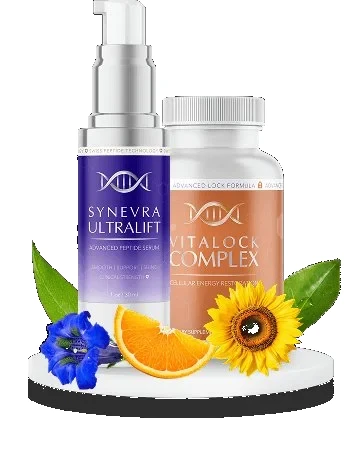
Discover the Synevra Lift & Lock System
Our dual-action approach combines topical skincare with internal beauty nutrients, supporting your skin's natural radiance from both inside and out.
Learn More About SynevraThe Role of Peptides in Skincare
Peptides have gained significant attention in the skincare world, and for good reason. These short chains of amino acids serve as building blocks for proteins like collagen and elastin. When applied topically, certain peptides may signal your skin to produce more of these essential proteins.
One particularly interesting peptide is the dipeptide complex known as SYN-AKE®, which was developed by Swiss researchers. This synthetic peptide is designed to help smooth the appearance of expression lines by promoting a more relaxed skin appearance. While individual results vary, peptides represent an exciting area of skincare innovation.
Embracing the Journey
While this article focuses on understanding and supporting aging skin, it's important to acknowledge that aging is a privilege and a natural part of life. The goal isn't to fight against aging but rather to support your skin's health and help it look its best at every stage of life.
Every line on your face tells a story – of laughter, of concern for loved ones, of expressions that make you uniquely you. A thoughtful skincare approach can help you feel confident and radiant while honoring the natural changes that come with time.
Conclusion
Understanding what happens to skin after 40 empowers you to make informed decisions about your skincare routine. While we can't stop the clock, we can support our skin's natural processes through a combination of quality skincare products, good nutrition, and healthy lifestyle choices.
Remember that everyone's skin is unique, and what works for one person may not work for another. Pay attention to how your skin responds to different products and approaches, and don't be afraid to adjust your routine as needed. With patience and consistency, you can support your skin's natural beauty and radiance at any age.