The saying "you are what you eat" holds particular truth when it comes to your skin. What you put on your plate can have a significant impact on your skin's appearance, health, and how it ages over time. In this comprehensive guide, we'll explore the connection between nutrition and skin health, highlighting foods that may support radiant-looking skin.
While topical skincare products are important, nourishing your skin from within through proper nutrition provides foundational support that no cream can replicate. Let's discover how your diet can become a powerful ally in your quest for healthy, glowing skin.
The Skin-Nutrition Connection
Your skin is the largest organ in your body, and like all organs, it requires proper nutrition to function optimally. The nutrients you consume provide the building blocks your skin needs to repair itself, produce collagen, fight oxidative stress, and maintain its protective barrier.
Poor nutrition can manifest in your skin as dullness, dryness, premature aging, and various skin concerns. Conversely, a nutrient-rich diet can support a healthy, vibrant complexion.
Antioxidant-Rich Foods
Antioxidants help protect your skin from damage caused by free radicals – unstable molecules that contribute to aging and various skin concerns. Include plenty of these antioxidant powerhouses in your diet:
Berries: Blueberries, strawberries, raspberries, and blackberries are packed with antioxidants including vitamin C and anthocyanins that may help protect skin cells.
Dark Leafy Greens: Spinach, kale, and Swiss chard provide vitamins A, C, and E along with various phytonutrients that support skin health.
Colorful Vegetables: Bell peppers, tomatoes, sweet potatoes, and carrots contain beta-carotene and other carotenoids that give skin a healthy glow.
Healthy Fats for Skin Hydration
Healthy fats are essential for maintaining your skin's moisture barrier and keeping it supple. These foods are excellent sources:
Fatty Fish: Salmon, mackerel, and sardines are rich in omega-3 fatty acids, which help maintain skin moisture and may reduce inflammation.
Avocados: High in healthy monounsaturated fats and vitamin E, avocados support skin hydration and may help protect against sun damage.
Nuts and Seeds: Walnuts, almonds, chia seeds, and flaxseeds provide omega-3s, vitamin E, and zinc – all important for skin health.
Vitamin C for Collagen Support
Vitamin C is essential for collagen synthesis, which keeps skin firm and youthful. It's also a powerful antioxidant. Great sources include:
Citrus fruits like oranges, grapefruits, and lemons; bell peppers (especially red ones); kiwi; papaya; and strawberries. Including vitamin C-rich foods at each meal can help ensure adequate intake throughout the day.
Zinc for Skin Repair
Zinc plays a crucial role in skin repair, wound healing, and may help support healthy skin overall. Good sources include:
Oysters (the highest food source of zinc), beef, pumpkin seeds, chickpeas, lentils, and cashews. Even mild zinc deficiency can affect skin health, so ensuring adequate intake is important.
Hydrating Foods
While drinking water is important, you can also boost hydration through water-rich foods:
Cucumbers, watermelon, celery, zucchini, and lettuce all have high water content and provide additional nutrients that support skin health.
Foods to Limit
Just as some foods support skin health, others may work against it. Consider limiting:
Added Sugars: High sugar intake may contribute to glycation, a process that damages collagen and accelerates aging.
Highly Processed Foods: These often contain inflammatory ingredients that may negatively affect skin.
Excessive Alcohol: Alcohol can dehydrate skin and may contribute to inflammation.
Complete Your Skin Support
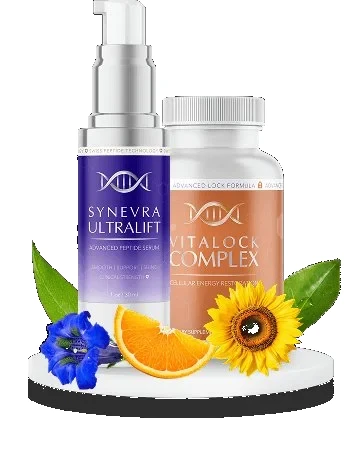
While diet is foundational, the Synevra Lift & Lock System provides targeted nutrients and topical support for comprehensive skincare.
Discover SynevraA Sample Day of Skin-Healthy Eating
Breakfast: Overnight oats topped with berries, chia seeds, and a drizzle of honey
Lunch: Large salad with mixed greens, grilled salmon, avocado, cherry tomatoes, and olive oil dressing
Snack: A handful of walnuts and an orange
Dinner: Grilled chicken with roasted sweet potato and steamed broccoli
Throughout the day: Plenty of water and herbal tea
Conclusion
Your diet is a powerful tool for supporting skin health and appearance. By focusing on antioxidant-rich fruits and vegetables, healthy fats, and essential nutrients while limiting processed foods and added sugars, you're giving your skin the internal support it needs to look its best.
Remember, skin improvements from dietary changes take time – typically several weeks to months. Be patient, stay consistent, and combine your nutritional approach with quality topical skincare for the best results.